Electric Tankless Water Heater Downsides: Power, Flow & Cost
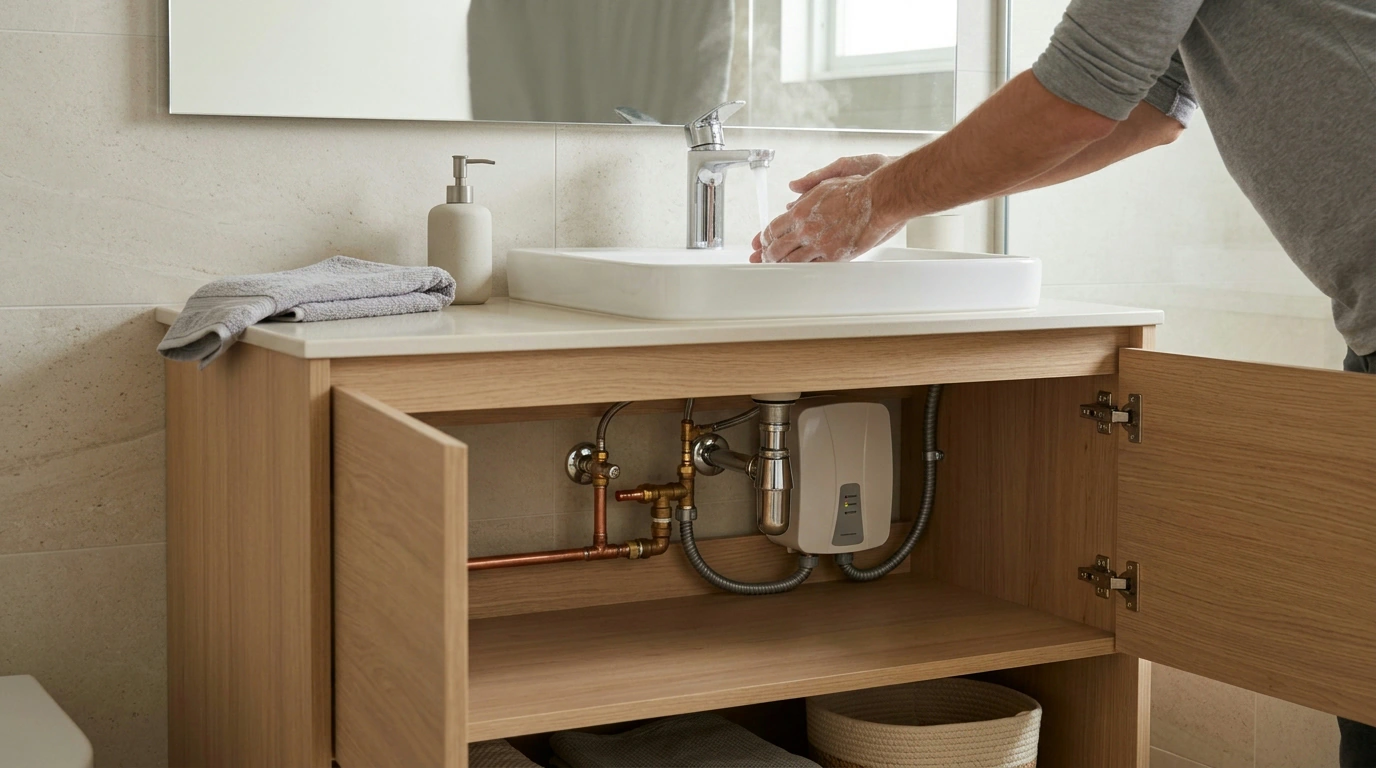
What is the downside of an electric tankless water heater?
The biggest downside of an electric tankless water heater is that it can be power-hungry at the moment you need hot water. Because it heats water on demand instead of storing it, the unit pulls a lot of electricity in short bursts, which may require a dedicated circuit, heavier-gauge wiring, or even an electrical panel upgrade—especially in older homes.
Another common tradeoff is limited flow rate for whole-home use. Electric models can struggle to keep up when multiple fixtures run at once (for example, a shower and a sink), particularly in colder climates where incoming water starts out much cooler and needs more heating to reach a comfortable temperature.
Installation can also be more involved than many shoppers expect. Even if the heater itself is compact, meeting electrical requirements—and doing it safely—can add cost. Finally, performance is tied closely to incoming water temperature and demand, so “endless hot water” may still feel less consistent if the unit is undersized for the household’s peak usage.
If you’re considering a compact point-of-use option for a bathroom, a properly sized unit can still be a great fit. For more details on sizing, setup, and what to expect, see the main guide: 5500W instant tankless electric heater for bathrooms.
FAQ
How much does your electric bill go up with a tankless water heater?
It depends on hot-water use, local electricity rates, and water temperature rise, but electric tankless heaters often shift energy use into high-power bursts rather than steady tank heating. Bills may rise if usage increases or if the unit is undersized and runs near max output frequently.
Why avoid a tankless water heater?
Some households avoid them due to upfront installation costs (especially electrical upgrades) and the possibility of limited hot-water flow when multiple fixtures run at the same time. In very cold regions, performance can be more constrained without careful sizing.
What is the most common problem with tankless water heaters?
A very common issue is mineral scale buildup, which reduces heating efficiency and can restrict water flow over time. Regular maintenance (like descaling in hard-water areas) helps prevent performance drops.













Leave a comment